Your baby cannot speak yet. They cannot read, count or explain how they feel. Yet every day they watch, listen, touch, explore and try to understand the world around them. You may have heard that a child is too young to learn, that you should simply let them grow or that education really begins at preschool. But is that truly the case?
From birth to age 3, children go through a particularly intense period of development. They gradually form their first relationships, develop language, discover their bodies, learn to communicate and begin to understand their surroundings.
Education from birth to age 3 is therefore not about teaching a baby to recite the alphabet or do school exercises. Above all, it means offering an environment where they can grow, experiment and develop their abilities and lay the first foundations for independence.
The first years of life are marked by considerable brain activity. A young child's brain develops quickly and builds many connections between nerve cells, particularly through experiences and interactions with those around them. An exchanged glance, a song, a story, a hands-on game or a walk all offer opportunities to discover and understand their surroundings.
This does not mean turning every moment of the day into an educational activity. On the contrary, simple everyday experiences are very valuable. When you talk to your baby while dressing them, name the objects they are looking at or respond to their gestures and babbling, you help them gradually build their skills.
What children experience today helps build the skills they will use tomorrow.
It is important to be clear: the early years do not permanently decide a child's success or failure. Human development continues throughout life.
However, the quality of early childhood experiences can influence how children develop their ability to communicate, learn, relate to others and gradually manage their emotions.
A child growing up in a safe, stimulating environment suited to their needs has favourable conditions for exploring the world and learning. The aim is not to produce a high-performing child by age 2. It is to give them solid foundations to keep learning and developing.

Even before their first words, children are already communicating. They use their gaze, gestures, facial expressions, cries and vocalisations to express their needs. Language develops gradually through exchanges with adults and other children.

To support their development, you can:
Reading also has a place from the earliest age. A fabric book, picture dictionary or short illustrated story can become a wonderful way to interact. What matters is not that children memorise words, but that they gradually discover the pleasure of communicating.
From birth to age 3, children gradually learn to control their bodies. They discover their hands, roll over, crawl, walk, climb, carry objects and refine their movements. These motor experiences help them explore their surroundings and develop coordination.
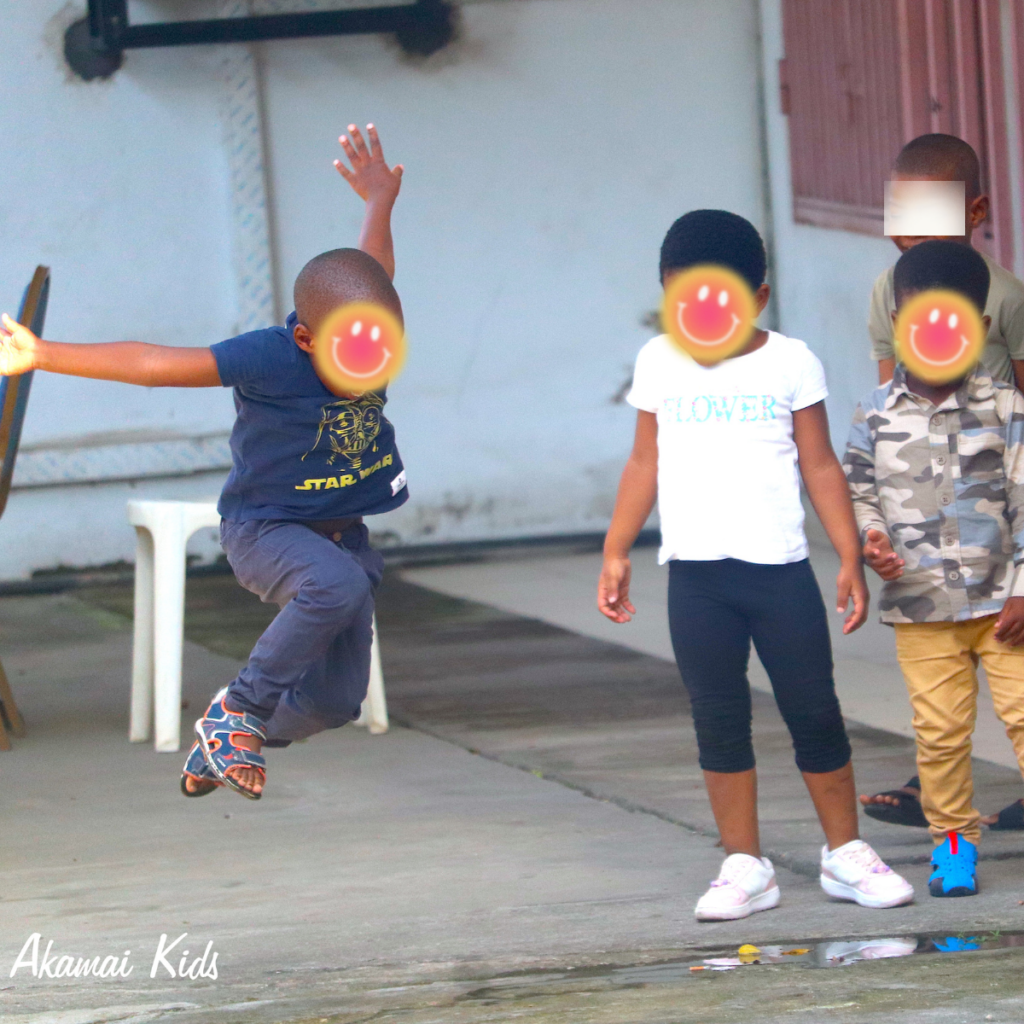
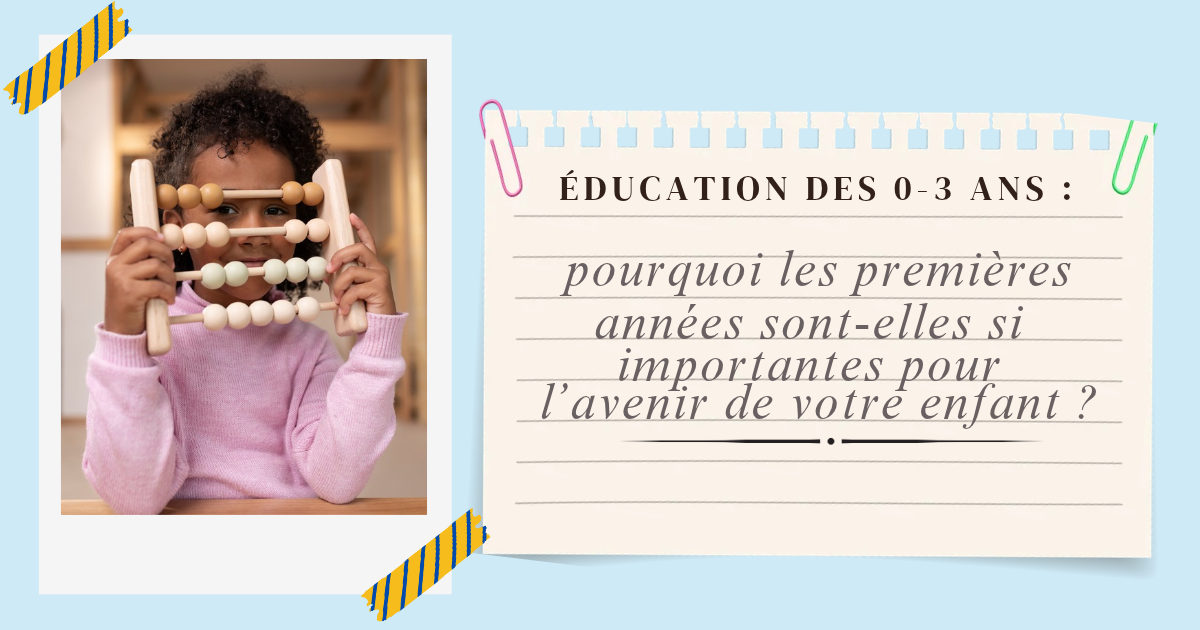
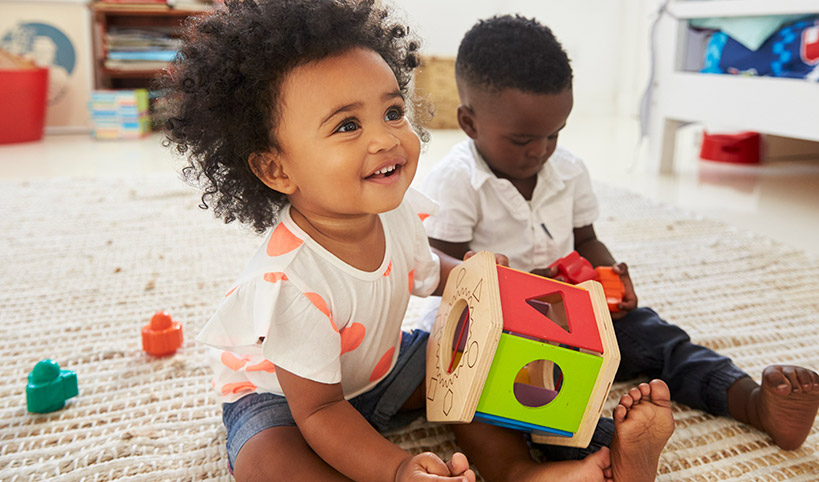
Hands-on activities, suitable movement courses, building games and pouring activities all offer opportunities to develop their abilities.
A Montessori-inspired approach places particular importance on movement and freedom to explore in a safe environment.
Adults prepare the space, choose suitable materials and observe the child. They do not automatically do for children what children can try themselves.
Toddlers can go from laughter to tears in seconds. They may become angry because a toy slips away, because they cannot complete a movement or because they cannot find the words to express how they feel. At this age, emotional regulation skills are still immature. Children need adults to support them when an emotion becomes difficult to manage.
Our role is not to ask them never to cry or get angry. It is to put their experiences into words, acknowledge them and gradually offer guidance. For example: ‘You are disappointed because you wanted to keep playing. I understand. But now we need to go home.’ These exchanges help develop their understanding of emotions and their ability to communicate their needs.
Children learn a great deal from their surroundings. Their environment should let them move, explore, handle objects and discover safely. This does not mean buying lots of educational toys. A few simple, carefully chosen objects suited to their development can be enough.
For example, you could offer:
In a Montessori approach, the environment is prepared to encourage spontaneous activity and allow children to participate in everyday life.
A 2-year-old does not need ten activities a day. Toddlers need time to observe, repeat, try and start again. A simple activity can hold their attention for a long time if it matches their interests and abilities. Pouring water between small containers, sorting objects, looking through a book or observing a plant can all nurture curiosity.

Also allow time for free play. Not all learning needs to be organised by an adult.
Education is not limited to activities and materials. The quality of relationships between children and their caregivers is essential. Meeting their needs, speaking respectfully, listening, setting appropriate limits and offering attentive presence help create an environment where children feel safe. This emotional security gradually lets them move away to explore, then return to the adult when needed. This relationship provides a foundation for discovering the world with greater confidence.
Parents play an essential role in their child's development. However, experiences in a suitable educational environment can enrich what children discover at home.
A well-prepared discovery space lets children meet others, explore varied materials, take part in age-appropriate activities and gradually develop social interactions.
The aim is to complement children's experiences, not replace their parents.
Montessori education pays particular attention to children's development, their pace and their need to act independently.
In this approach, adults observe, prepare the environment, present materials and support children without unnecessarily intervening in every action.
For toddlers, this may involve hands-on activities, movement, language, practical life and sensory exploration.
The aim is not to make children learn faster, but to help them develop skills through concrete, appropriate experiences.
Education from birth to age 3 is not about preparing children to pass exams or get ahead of the school curriculum. It means supporting the great discoveries of their early years: communicating, moving, exploring, forming relationships, understanding emotions and gradually gaining independence.
Children do not need an overloaded programme to learn. They need attentive adults, a suitable environment, varied experiences and enough time to grow at their own pace.
So, the next time your toddler wants to repeat an activity ten times, take time to watch an ant or try putting on their shoes alone, take