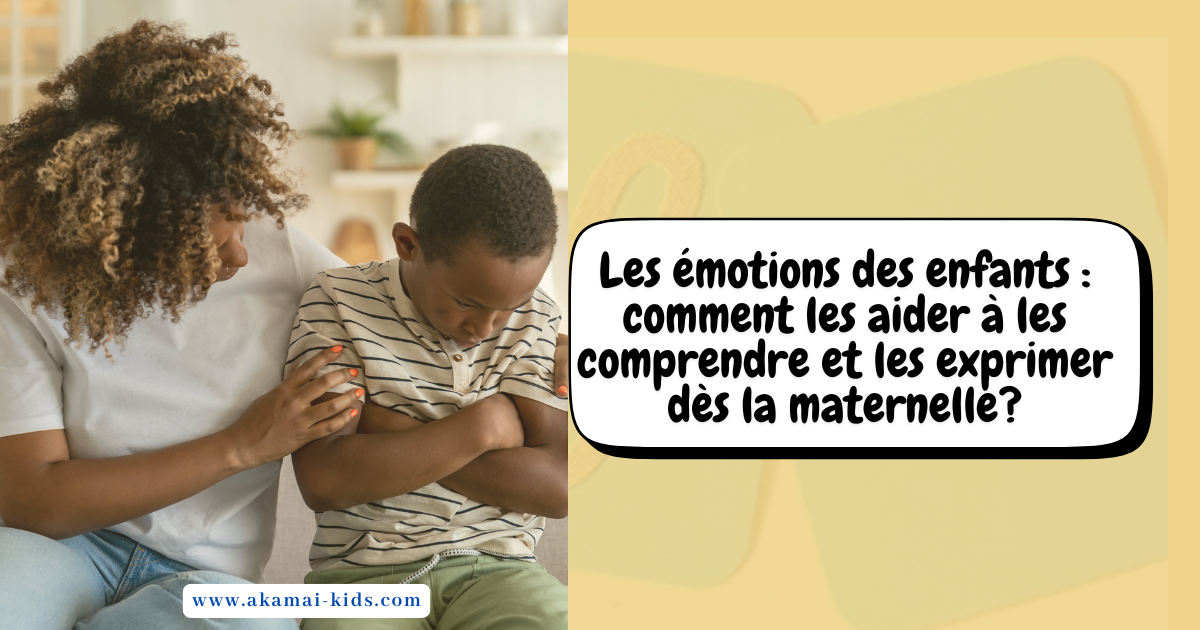
Sudden anger, inconsolable tears and intense frustration: situations that can drive adults up the wall. Between ages 2 and 6, children's emotions can sometimes seem overwhelming. Many parents wonder: ‘Why are they reacting like this?’, ‘Is this normal?’, ‘How can I help without shouting or giving in?’
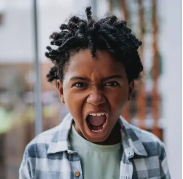
The truth is that preschool children cannot yet manage their feelings alone. Their emotional brain is very active, but the areas linked to control and regulation are still developing.
The good news is that this period is also a wonderful educational opportunity.
Supporting emotions from early childhood lays the foundations for healthy emotional education, aligned with conscious parenting, Montessori education and our deepest educational values.
In young children, the emotional brain, linked to survival and instinctive reactions, is fully active, while the rational brain is still immature.
As a result, when an emotion arises, it takes over.
Understanding this profoundly changes a parent's perspective.
Acknowledging an emotion does not mean allowing every behaviour.
You can say:
It is this combination of empathy and boundaries that makes children feel safe.
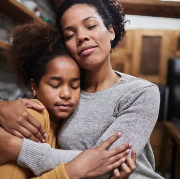
Before children can calm themselves, they need a calm adult alongside them. A gentle voice, getting down to their level and a reassuring look are valuable educational tools.
In conscious parenting, the parent is not there to silence the emotion, but to work through it with the child.
When children's emotions are heard:
These are essential lifelong emotional skills.


Maria Montessori saw children as complete beings whose emotional needs are as important as intellectual learning. Children who feel emotionally understood are more ready to learn.
In a Montessori environment:
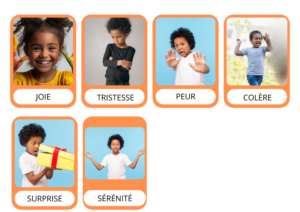
From preschool onwards, you can offer:
These tools give children concrete reference points for understanding their inner world.
Telling a child:
helps build their emotional vocabulary. Children who can name their feelings are better able to regulate them.
Free drawing, role play and stories help children express what they cannot yet put into words.
👉 These powerful tools, often used in our Akamai Kids workshops, support emotions without pressure.
A few simple ideas:
Repetition reassures and soothes.
In many African cultures, children are surrounded, heard and guided by the community.
Stories, proverbs and group conversations pass on emotions and values. It is true that we are gradually losing this educational model today. Returning to these practices gives children their place as full human beings, with all their feelings. Combining these values with approaches such as Montessori creates a rich, rooted and modern education.
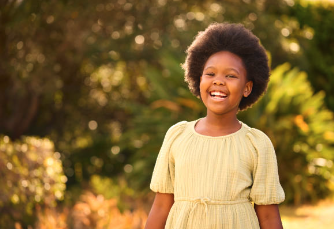
When children grow up in an emotionally safe environment, they learn:
These are key skills for school, family and life in society.
Helping children understand and express emotions from preschool onwards does not make them fragile.
On the contrary, it gives them solid foundations to grow with confidence, balance and self-respect. In conscious parenting, every emotion becomes a message and every crisis an educational opportunity.
This April, I invite you to choose to help your child not simply ‘calm down’, but to understand themselves. A child whose emotions are heard today will be a more peaceful adult tomorrow.





Laura
24 December 2025Thank you.
In Africa, children's emotions do not count. The adult is always right. 😁